 Insurance
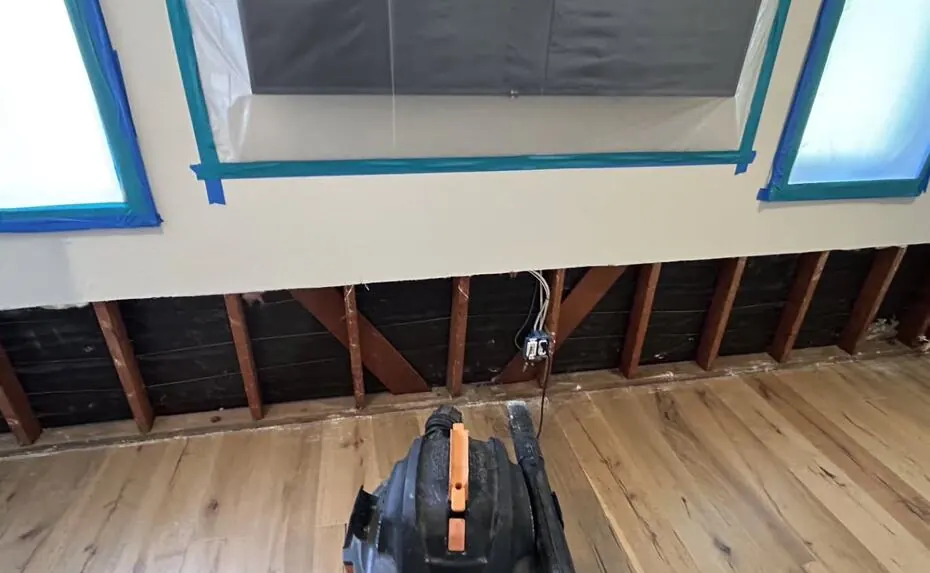
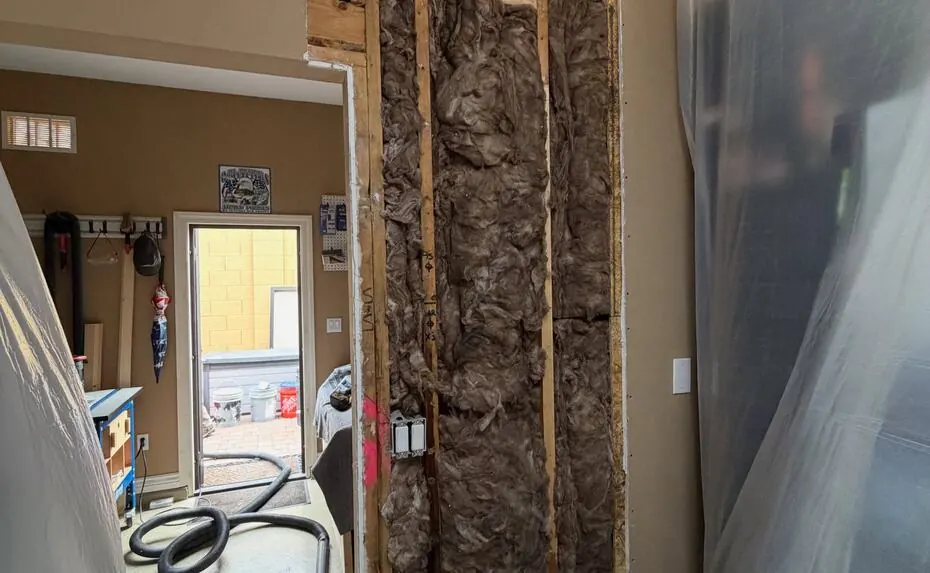
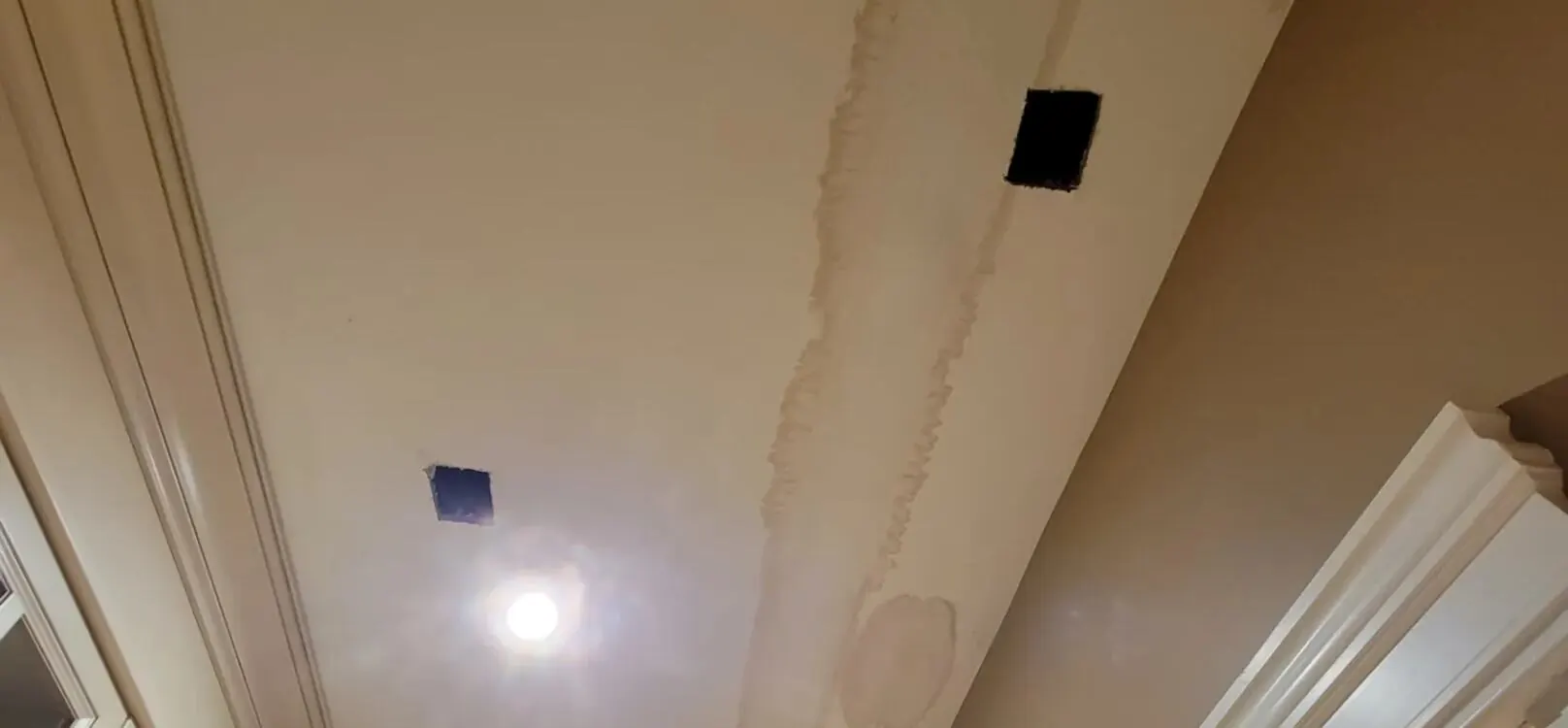
Most Texas homeowners insurance policies cover water damage that is sudden and accidental — a burst pipe, a failed water heater, an overflowing appliance or rain entering through storm damage. They usually do not cover flooding from outside, long-term leaks or damage caused by lack of maintenance. The details are in your policy, and your insurer makes the final coverage decision, but understanding the basic categories helps you act correctly from day one.
This article is general information from a restoration contractor, not legal or insurance advice. Always read your own policy and ask your agent when something is unclear.

Adjusters are not looking for a reason to say no — they are looking for evidence. Photos, moisture readings and drying logs are that evidence.
— Evan Mercer, Founder & IICRC Master Water Restorer
You pay your deductible; the insurer pays the covered amount above it, up to your policy limits. In Texas many policies have a percentage deductible for wind and hail and a flat deductible for other perils, so the out-of-pocket amount for a plumbing leak can differ from a storm claim. A reputable contractor will never offer to “waive” or “cover” your deductible — in Texas that is prohibited for roofing and is a red flag with any contractor.
Most adjusters write estimates in Xactimate. When your restoration company prices the job in the same software and explains each line — extraction, equipment days, removal, rebuild — it is much easier to agree on a scope. We share photos, moisture maps and drying logs with the adjuster directly, and you approve the rebuild scope before work starts.
Ask for the denial reason in writing and the exact policy language. You can request a re-inspection, provide additional documentation such as a leak detection report, invoke the appraisal clause if your policy has one, or contact the Texas Department of Insurance for help. For large disputes, a licensed public adjuster or attorney can advise you.
Need help documenting a loss right now? Call us — we will start mitigation and give your insurer the evidence they need.
It depends on your policy. Many Texas policies pay to access the leak and repair resulting damage but not to fix the pipe itself, and some limit slab leak coverage. Read the water damage and foundation sections of your policy or ask your agent.
If rain enters through a storm-damaged roof or window, it is usually a homeowners claim. If rising surface water from outside enters the home, that is flood and requires a separate flood policy.

Evan Mercer founded Crestline Restoration in 2012 and has spent more than 20 years drying, cleaning and rebuilding water-, mold- and fire-damaged buildings in Central Texas. He holds IICRC certifications in water damage restoration and applied structural drying and still visits job sites every week.
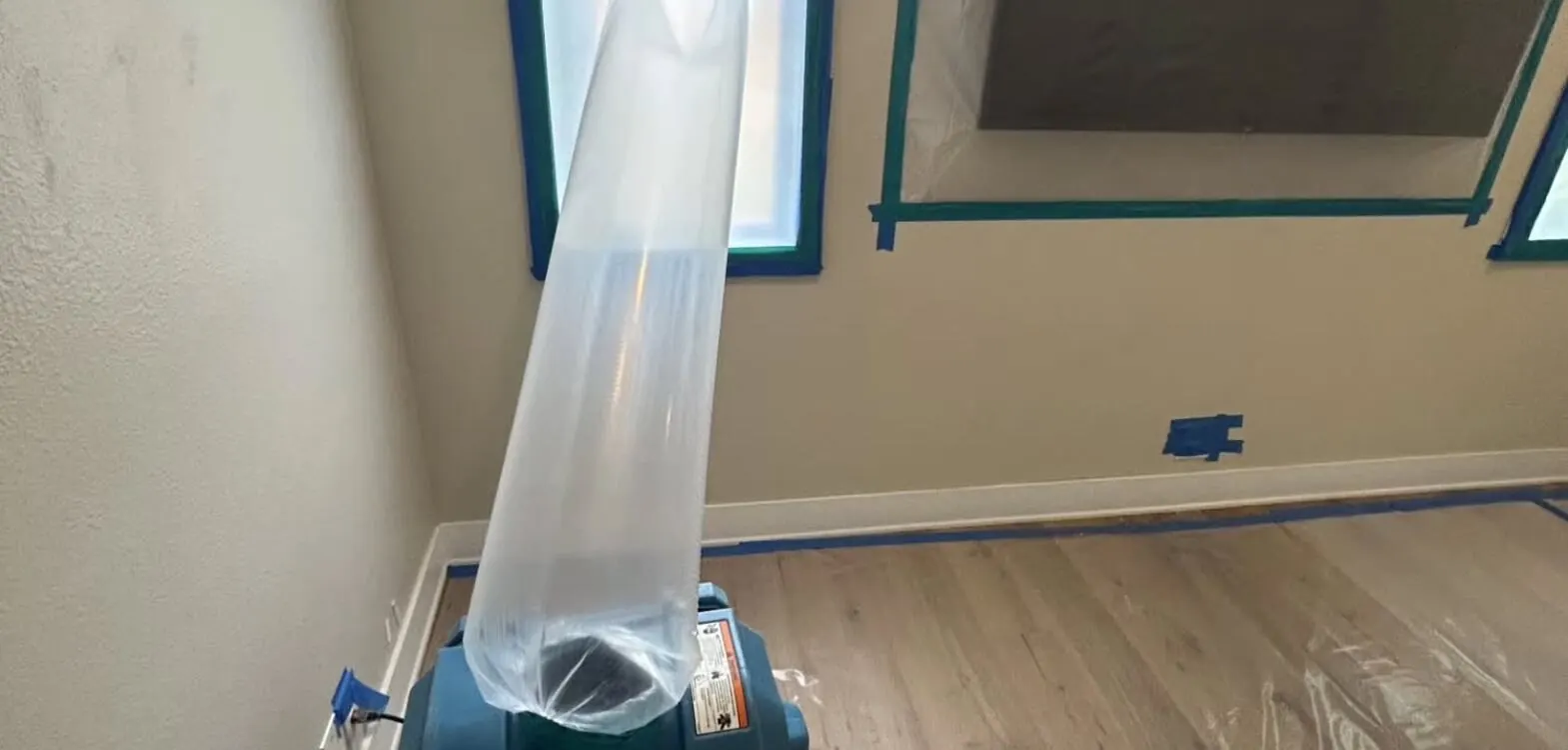
A certified technician is on call right now. We stop the water, map the moisture and start drying — and we document everything for your insurance claim.



Locally owned water damage restoration, mold remediation and reconstruction company serving Austin and Central Texas since 2012. IICRC-certified, licensed and insured.

© 2026 Crestline Restoration LLC. All rights reserved.