 Water Damage
In the first 24 hours after water damage, stop the source, make the area electrically safe, document the damage with photos, remove what you can from wet floors and get professional drying started. Drywall, wood and carpet pad keep absorbing water for hours after a leak stops, and in Austin’s warm, humid months mold can begin growing on wet materials in as little as 24 to 48 hours.
We answer emergency calls from Circle C to Round Rock every week, and the same questions come up every time. Here is the checklist we walk homeowners through on the phone while our truck is on the way.
Find the fixture shut-off (under the sink, behind the toilet, on the washer lines) or close the main shut-off valve. In many Austin homes the main valve is in a box near the street or in the garage close to the water heater. If the water heater is leaking, also turn off its gas valve or the breaker for an electric unit.
Take wide photos of every affected room, then close-ups of the source, water lines on walls, damaged flooring and belongings. Short videos work well too. Your insurer will ask for this, and it is much harder to reconstruct later. Keep damaged items unless they are a health hazard — the adjuster may want to see them.
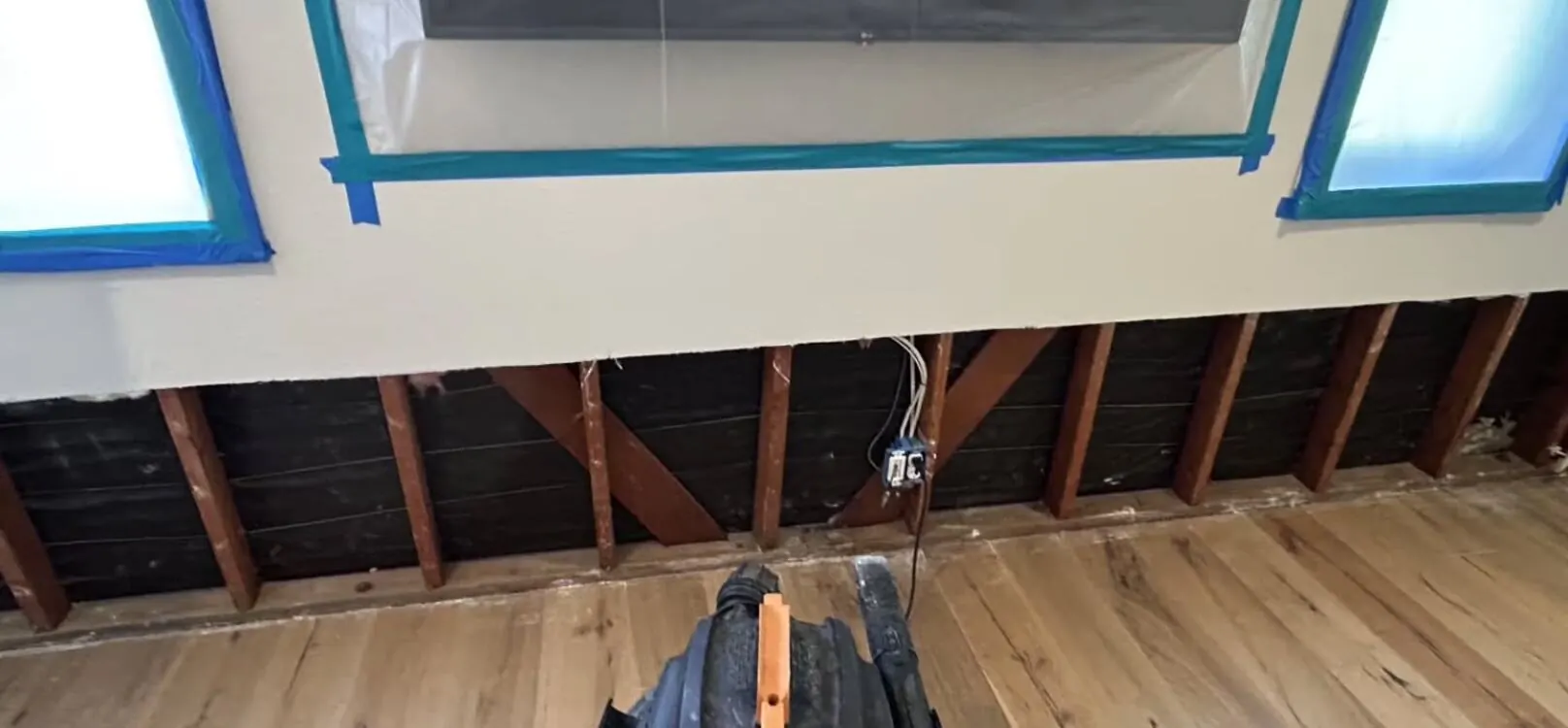
Report the claim as soon as possible; most policies require prompt notice and “reasonable steps to prevent further damage”. Professional water extraction and structural drying counts as exactly that kind of step. A certified restorer will measure moisture inside walls and floors, not just on the surface, and keep drying logs your adjuster can use.

The first 24 hours decide whether a water loss is a drying job or a rebuild job. Most of what we save, we save because the homeowner acted fast.
— Evan Mercer, Founder & IICRC Master Water Restorer
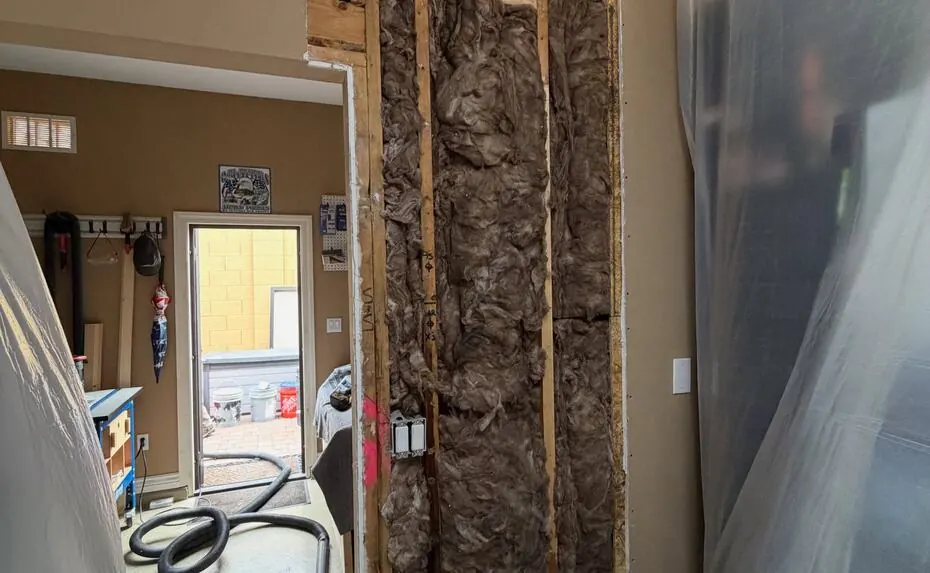
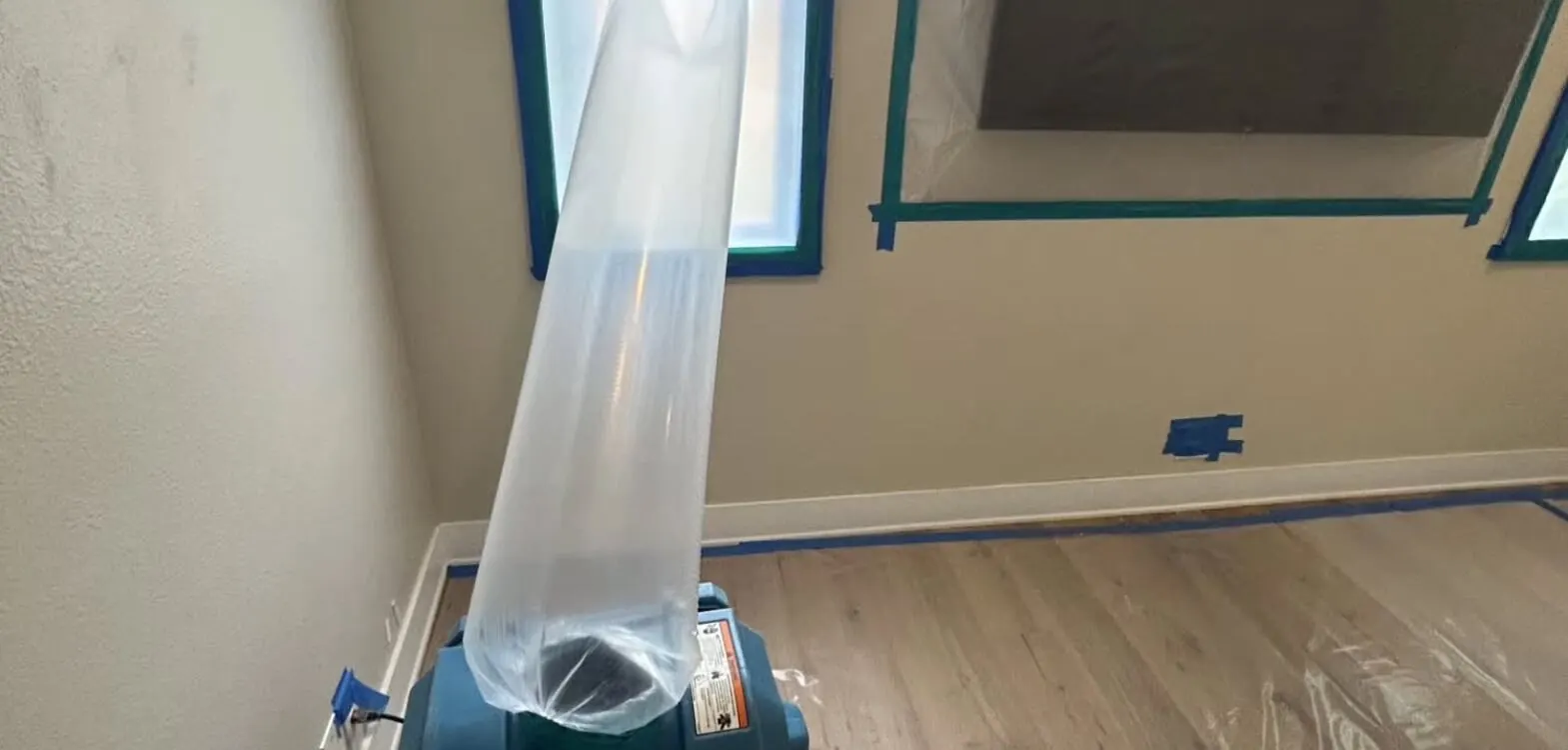
Most clean-water losses are dry in three to five days once equipment is set up. Our technicians check temperature, humidity and material moisture every day and adjust the equipment, and they remove it only when readings match unaffected areas. Hardwood, subfloor and concrete can take longer. If walls or ceilings had to be opened, our reconstruction crew handles the repairs afterwards.
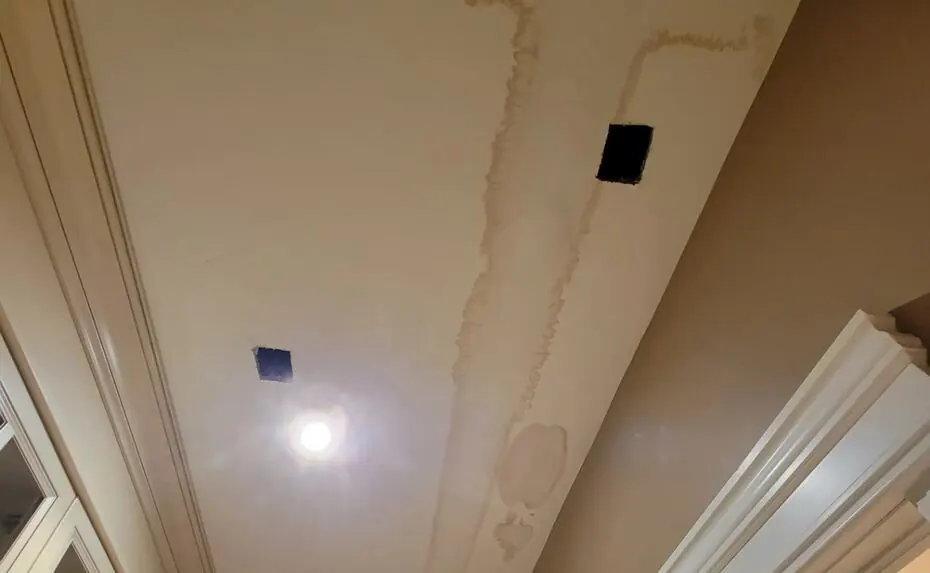
Ceiling stains, a musty smell or a water bill that suddenly jumps often point to a hidden leak. A thermal imaging and moisture mapping inspection finds the source without tearing open walls on a guess — see how we traced a recurring ceiling stain in Tarrytown to a shower valve two rooms away.
If you are dealing with water right now, call our 24/7 line. We will stay on the phone while you find the shut-off and have a certified technician on the way.
Mold can start to grow on wet drywall, wood and carpet pad within 24 to 48 hours, especially in warm, humid conditions like an Austin summer. Fast, thorough drying is the best prevention.
Small surface spills can be dried with fans and air conditioning. When water has soaked into walls, under flooring or into cabinets, household fans usually cannot remove it and moisture readings are needed to confirm the structure is dry.

Evan Mercer founded Crestline Restoration in 2012 and has spent more than 20 years drying, cleaning and rebuilding water-, mold- and fire-damaged buildings in Central Texas. He holds IICRC certifications in water damage restoration and applied structural drying and still visits job sites every week.
A certified technician is on call right now. We stop the water, map the moisture and start drying — and we document everything for your insurance claim.



Locally owned water damage restoration, mold remediation and reconstruction company serving Austin and Central Texas since 2012. IICRC-certified, licensed and insured.

© 2026 Crestline Restoration LLC. All rights reserved.