
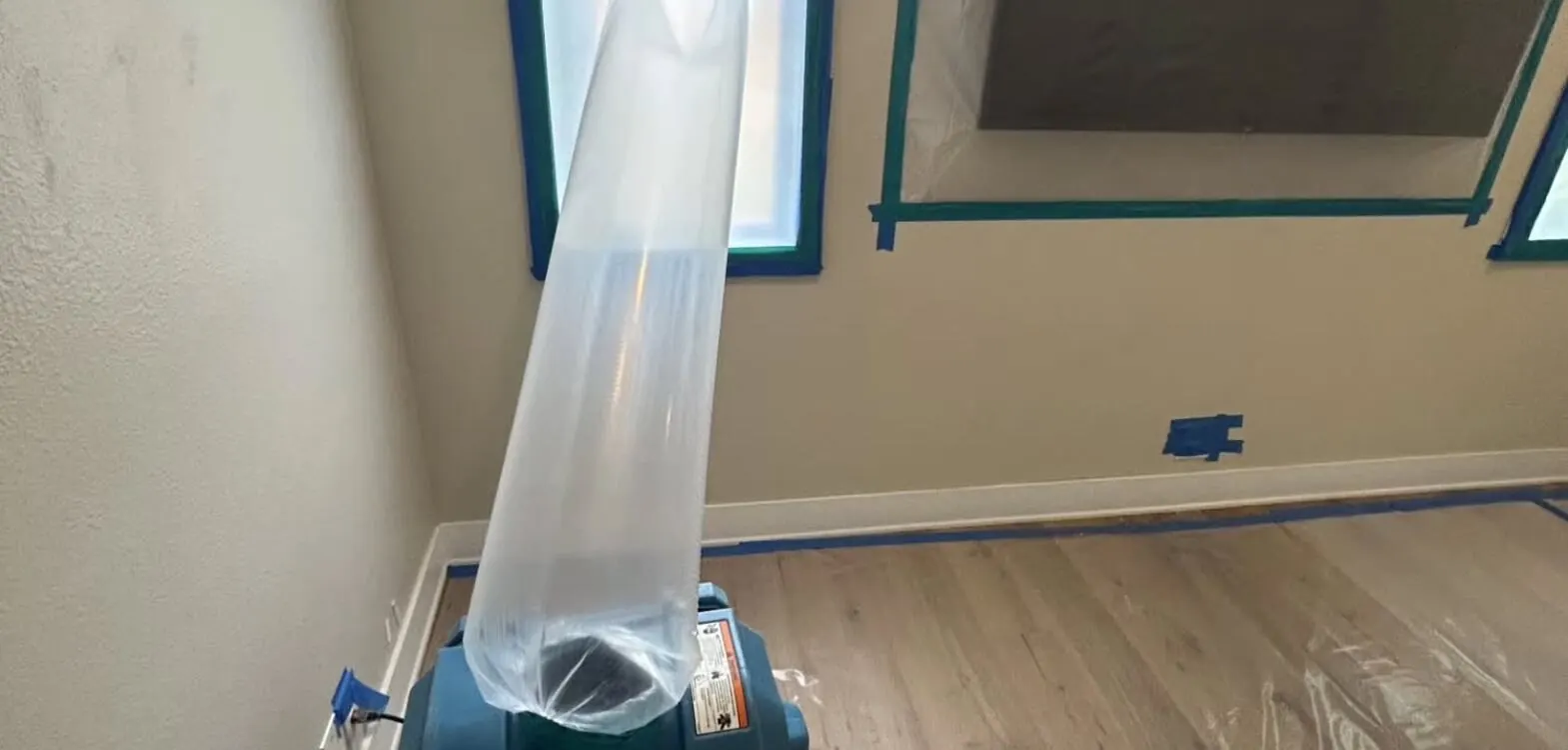
A certified technician is on call right now. We stop the water, map the moisture and start drying — and we document everything for your insurance claim.


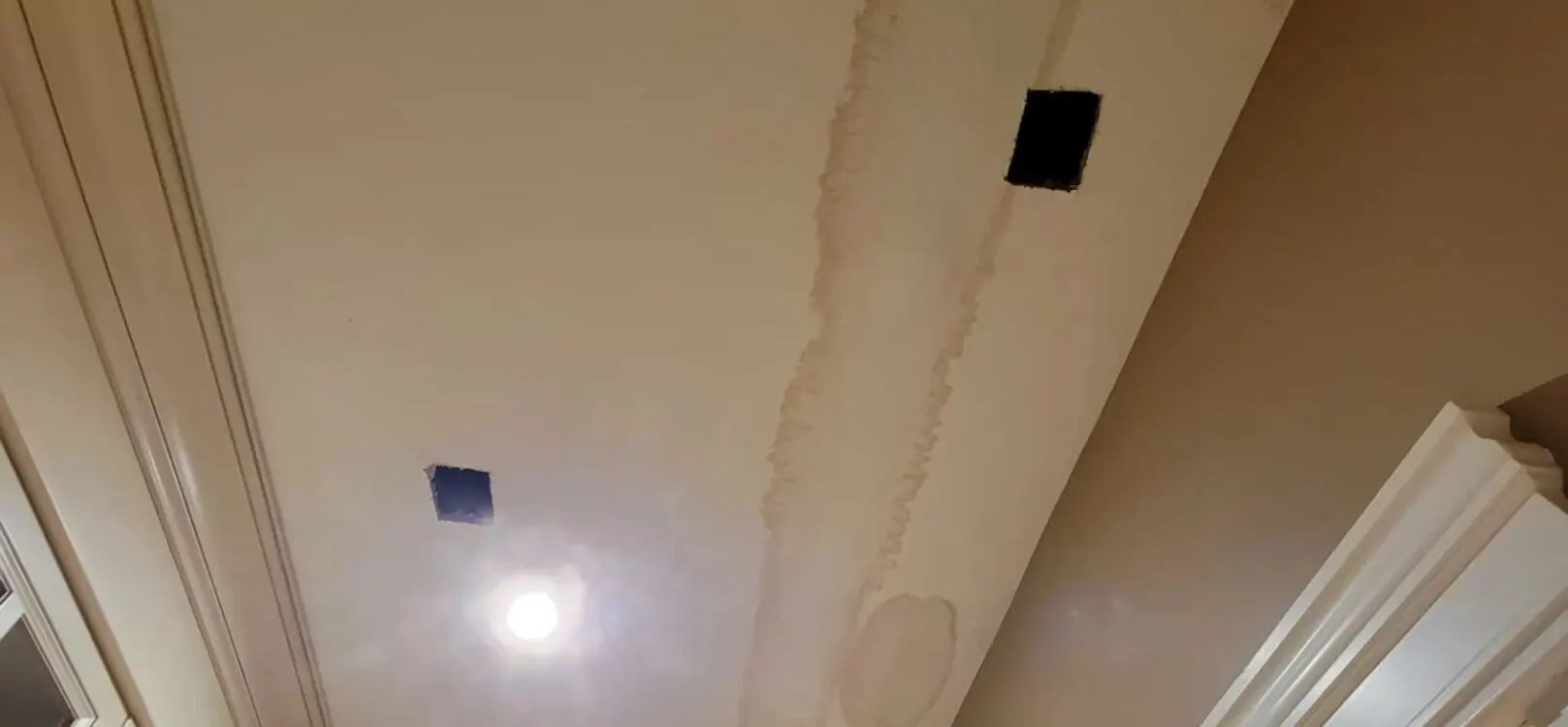
Leak detection is the non-invasive search for water where you cannot see it — inside a ceiling below a bathroom, behind a shower wall, under a kitchen floor or around an HVAC closet. Crestline Restoration uses infrared thermal cameras, pin and pinless moisture meters and thermo-hygrometers to trace the moisture pattern back to its source, so repairs start in the right place and only the damaged material is opened.
A brown stain on the ceiling or a baseboard that feels soft is usually the last symptom, not the first. By the time water shows through paint it has often been soaking insulation, framing and subfloor for days. Moisture mapping tells us, and your insurer, how far that water has travelled so the drying plan and repair scope are accurate from day one.
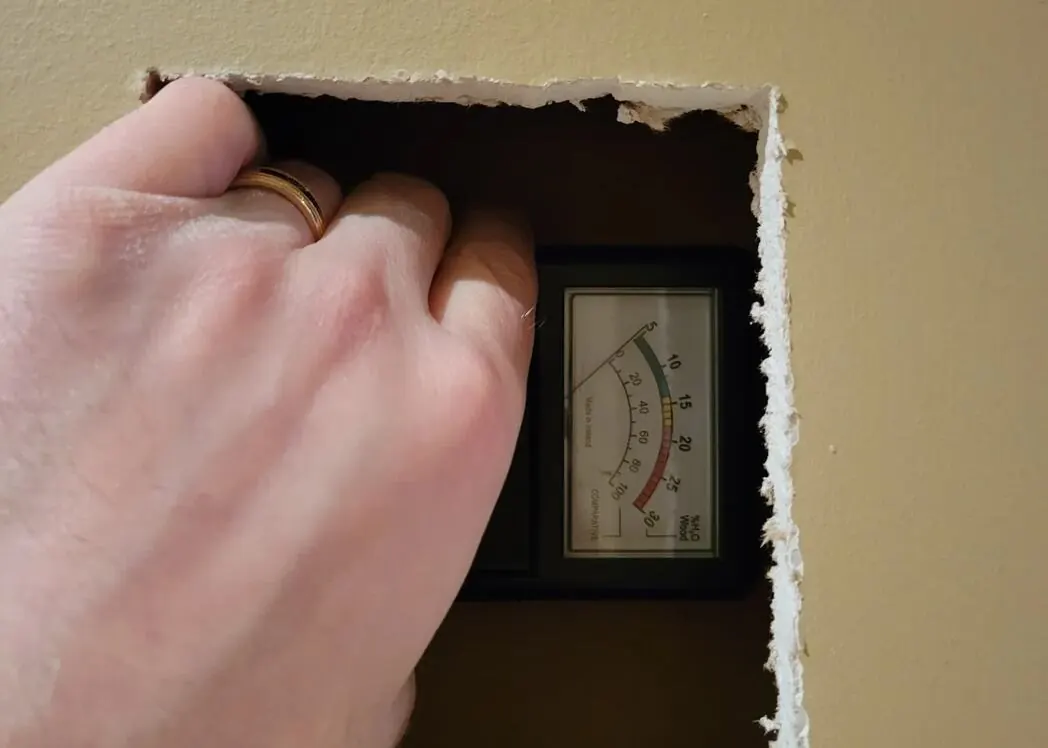
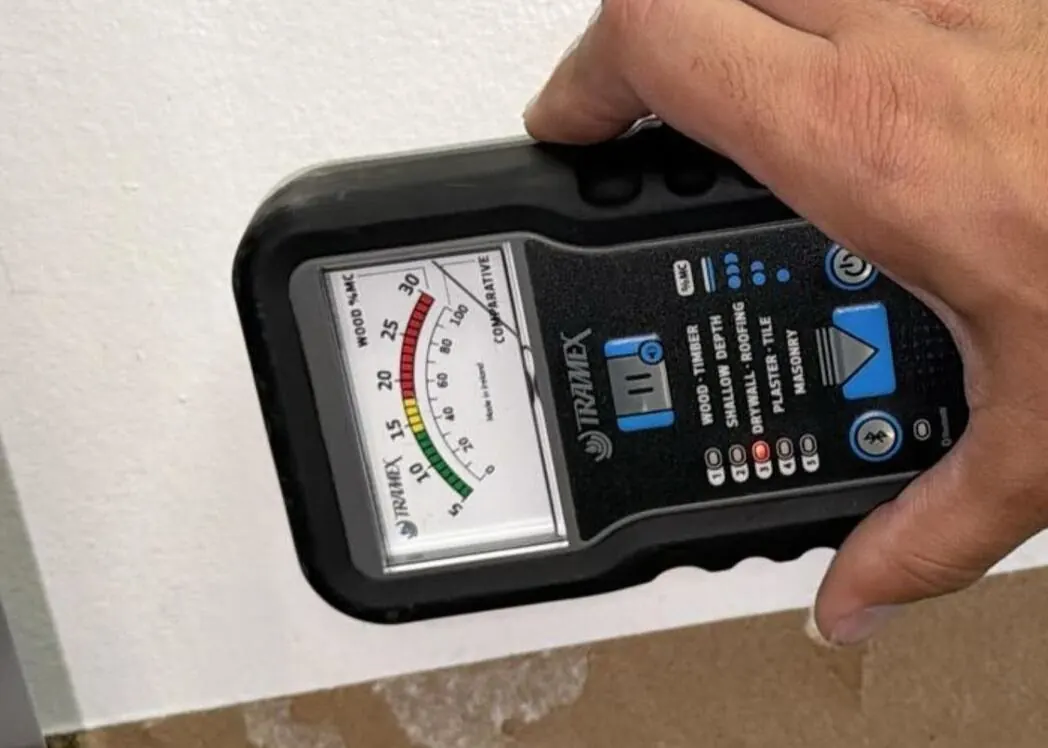
We document each finding with thermal images and readings marked on a simple floor sketch. If the source is a plumbing failure we tell you exactly where a licensed plumber needs to open up, which often saves a second hole in the wall.
A standalone leak detection and moisture mapping visit is billed as a flat inspection fee, which we credit toward mitigation if we go on to dry the property. When the inspection is part of an insurance claim, the moisture documentation is normally included in the restoration estimate. Compared with opening walls to “see what is there”, a targeted inspection almost always costs less and leaves less to repair.
In Tarrytown we traced a ceiling stain to a failed shower valve two rooms away using thermal imaging, and only one small section of drywall needed to be opened.
No. A thermal camera shows surface temperature differences. Wet materials are usually cooler because water evaporates, which creates a visible pattern. We always confirm those patterns with moisture meters before drawing conclusions.
We locate the leak and handle drying and repairs to the building. The pipe itself is fixed by a licensed plumber — we coordinate with yours or recommend a local plumber and mark exactly where they need access.
Sometimes. A dry-looking stain can hide damp insulation or framing above it, especially after an HVAC or roof leak. A moisture reading of the materials behind the stain tells you whether drying or replacement is required.
For active leaks we dispatch the same day, usually within about an hour. Non-urgent inspections are normally scheduled within one to two business days.
If you see a new stain, smell mildew or hear water where there should not be any, schedule a moisture inspection before the damage spreads.
Call (512) 555-0147


Locally owned water damage restoration, mold remediation and reconstruction company serving Austin and Central Texas since 2012. IICRC-certified, licensed and insured.

© 2026 Crestline Restoration LLC. All rights reserved.