
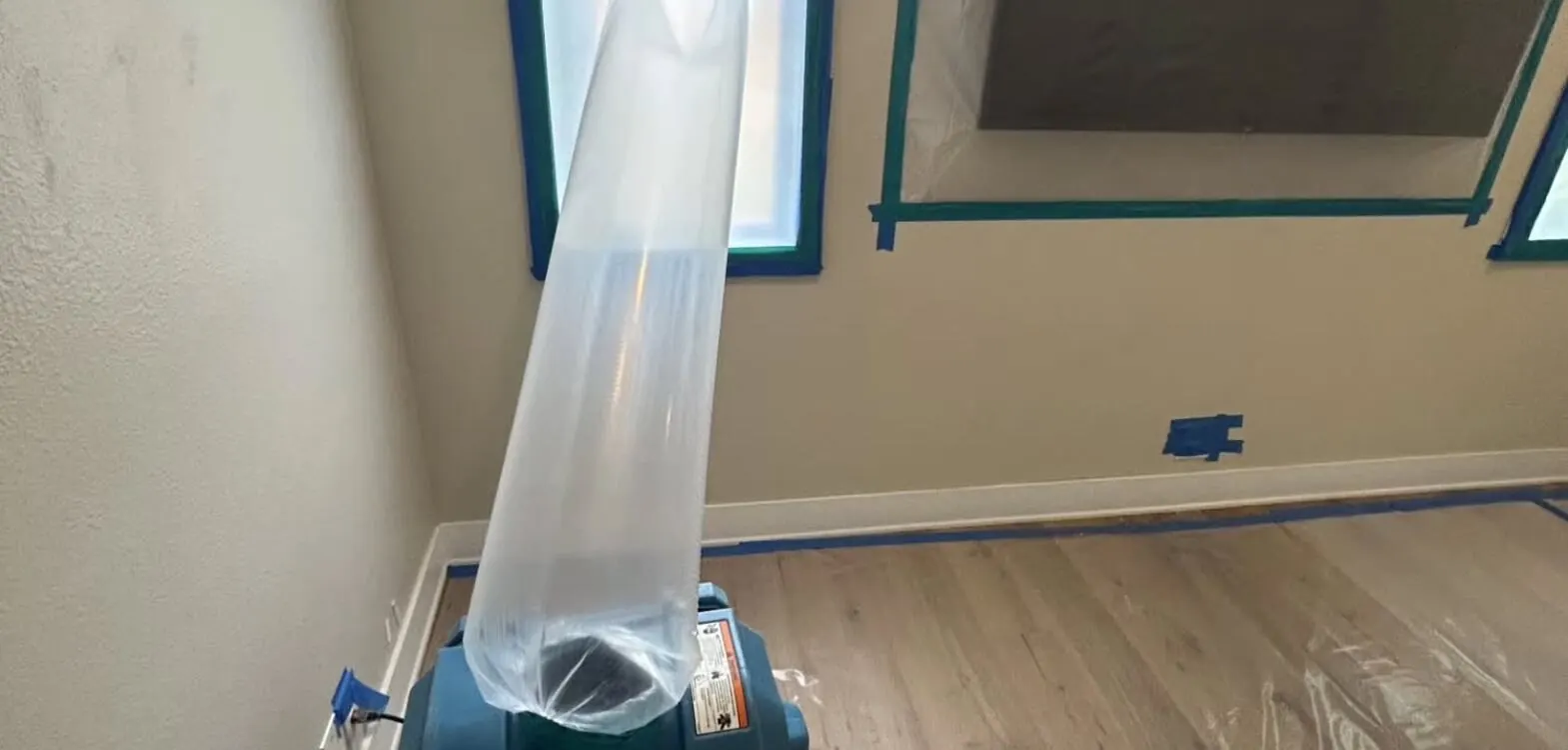
A certified technician is on call right now. We stop the water, map the moisture and start drying — and we document everything for your insurance claim.


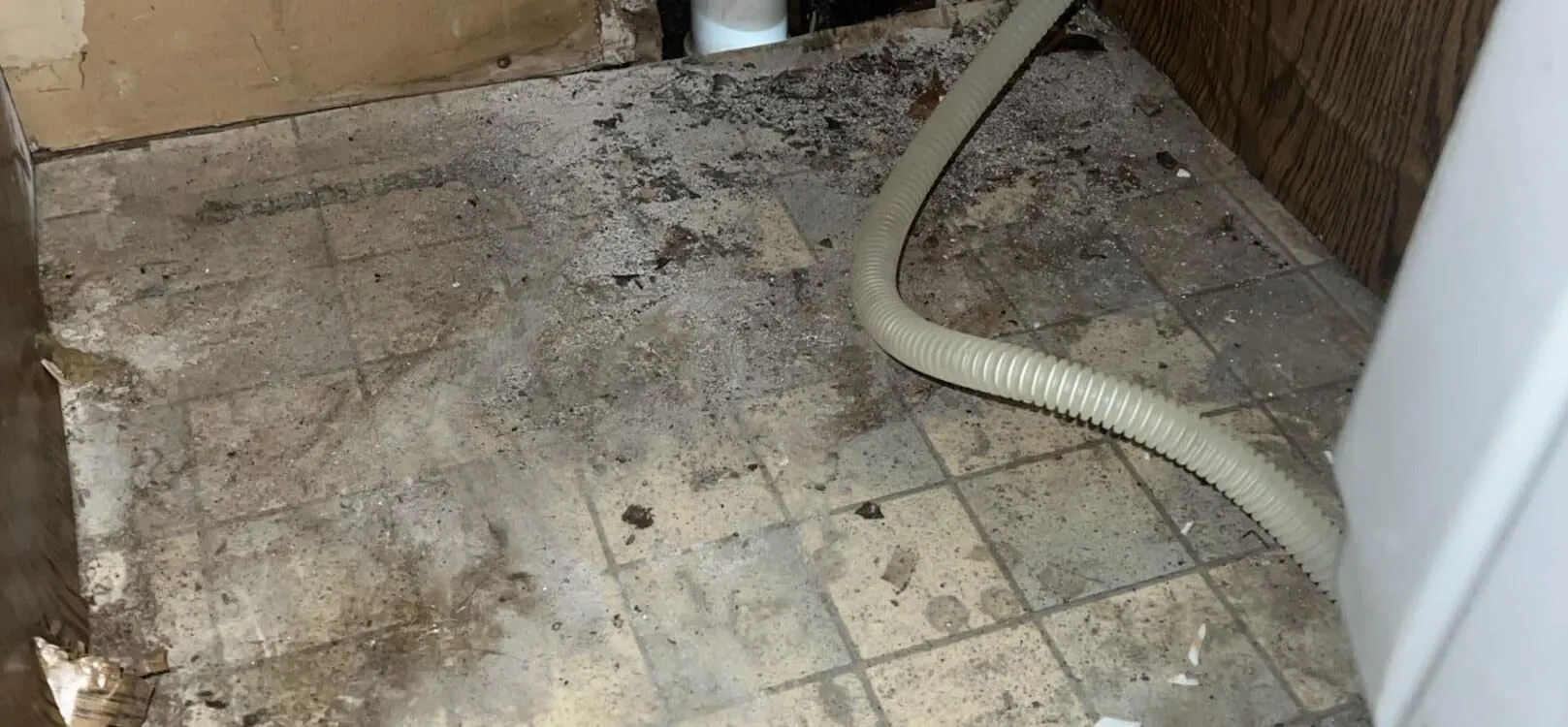
Mold remediation is the controlled removal of mold growth and mold-damaged building materials, done in a way that keeps spores from spreading to the rest of the house. It always starts with moisture: mold in Austin homes almost always follows a slow plumbing leak, an HVAC condensate problem, a roof leak or water damage that was never properly dried. Crestline Restoration finds and fixes that moisture source, then contains and removes the growth.
Texas regulates mold work above small areas through the Texas Department of Licensing and Regulation (TDLR). For projects of that size an independent licensed mold assessor writes the remediation protocol and confirms the result afterwards, and we perform the remediation to that protocol. That separation protects you: the company doing the work is not the one grading it.
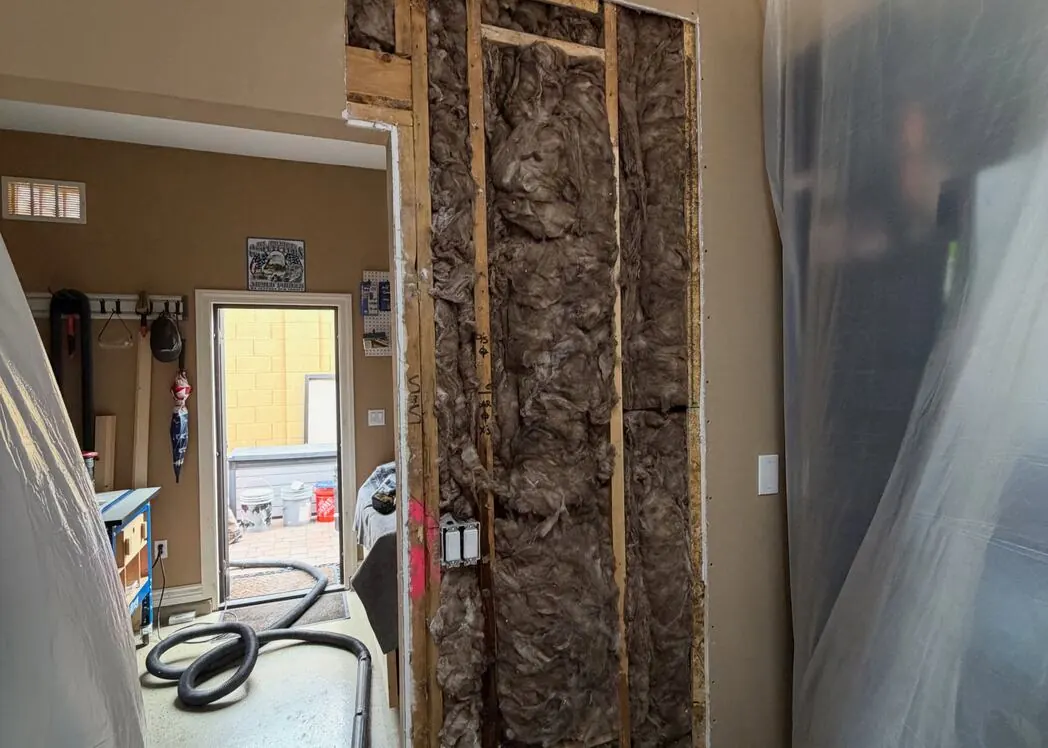
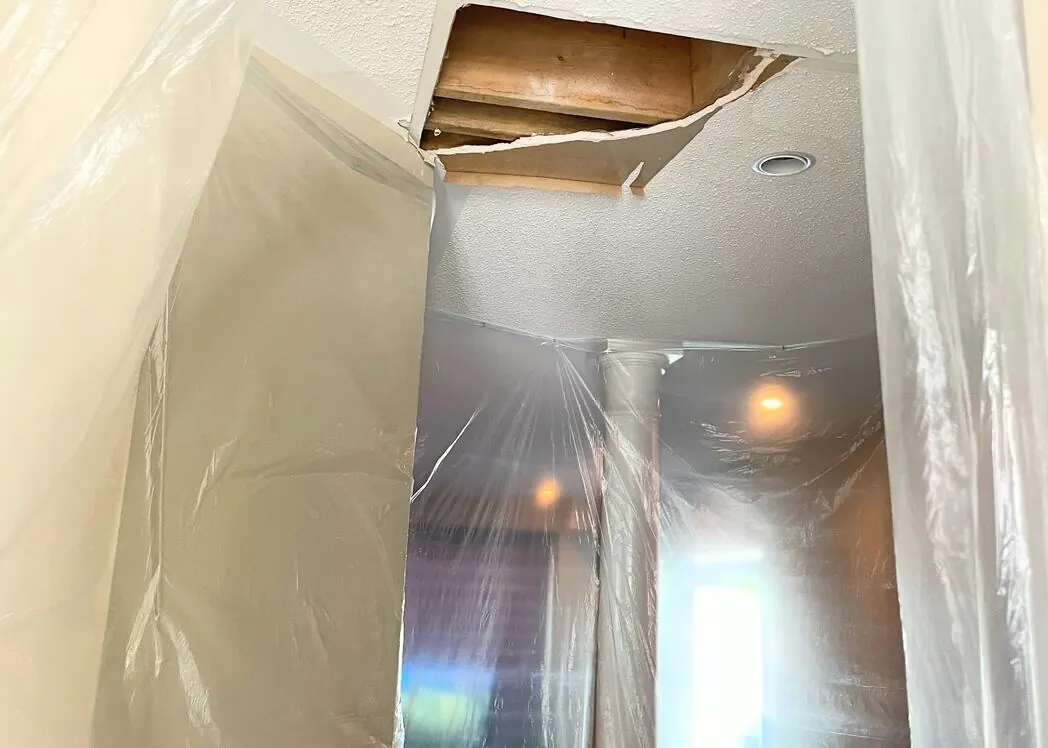
Our remediation process follows industry guidance (IICRC S520) and the assessor’s written protocol. The goal is not to “kill” mold with sprays — it is to physically remove contaminated material and dust, dry the structure and prevent regrowth.
The price of mold remediation is driven mostly by the size of the affected area, how much containment is required and whether materials such as cabinets or flooring must come out. Small, contained areas in a single wall cavity are a fraction of the cost of an attic or HVAC-related problem that spans several rooms. Whether insurance helps depends on the cause — mold resulting from a covered, sudden water loss is often included, while mold from long-term humidity or maintenance issues is usually excluded. We give you a written scope before containment goes up.
On a Pflugerville laundry leak we removed mold-affected drywall and subfloor inside containment, dried the framing and rebuilt the wall behind the washer.
Bleach can lighten surface staining but does not remove mold from porous materials like drywall or wood, and it adds moisture. Porous materials with growth are removed; hard surfaces are cleaned and HEPA-vacuumed. Fixing the moisture source is what prevents regrowth.
If mold is visible, testing is not needed to know it should be removed. For larger areas Texas rules call for a licensed mold assessor to write a protocol, and air or surface sampling may be part of their assessment and final clearance.
In most cases yes, because the work area is sealed off under negative pressure. People with asthma, allergies or weakened immune systems may prefer to stay elsewhere during removal, and we will tell you if a specific job warrants that.
Small projects typically take one to three days of work plus clearance. Larger projects with multiple rooms, HVAC involvement or cabinetry removal can take a week or more before rebuild begins.
Seeing or smelling mold after a leak? Call us to find the moisture source and get a clear, written remediation plan.
Call (512) 555-0147


Locally owned water damage restoration, mold remediation and reconstruction company serving Austin and Central Texas since 2012. IICRC-certified, licensed and insured.

© 2026 Crestline Restoration LLC. All rights reserved.